When business costs rise at the same time as cash collections slow down, even strong companies start to feel pressure. That is why the latest DIFC fee relief package matters.
On 9 April 2026, DIFC announced temporary economic support measures for its business and retail community. The package includes flexible payment plans for retail and commercial tenants, instalment plans for licence renewal fees, and grace periods on selected administrative payments linked to lease contracts, company registration, data protection filings, and employee pension enrolment. Reuters reported the measures took effect immediately.
For founders and SME owners, this is not just a “news update.” It is a cash-flow decision point.
If your business operates in DIFC, the real opportunity is not only to lower near-term pressure. It is to use that breathing space to improve reporting, protect compliance, and avoid turning a short-term support measure into a long-term accounting problem.
Why this matters now
For many firms, the biggest issue is not profit. It is timing.
Licence renewals, office-related charges, payroll, and operating overheads often hit in the same cycle. When that happens, businesses start delaying supplier payments, pausing recruitment, or pushing important compliance work to “next month.”
That is exactly where UAE business support matters most.
The DIFC package is useful because it gives firms more flexibility around selected fixed costs. It does not erase those obligations. It improves timing. That can make a big difference for:
- startups managing runway,
- SMEs protecting payroll,
- retail operators in DIFC,
- regulated firms that need to stay compliant while preserving liquidity.
What the relief package appears to cover
Based on Reuters and Gulf News reporting, the current package includes:
- flexible payment plans for commercial and retail tenants,
- instalment plans for DIFC license cost and licence renewals,
- grace periods on selected payments tied to:
- lease contracts,
- registrar/company registration,
- data protection,
- employee pension enrolment.
This is practical relief. It helps with timing and cash preservation, not with removing underlying obligations.
One important distinction: DIFC support is not the same as DFSA relief
This is where many business owners can get confused.
The DIFC package is aimed at the wider business and retail community in the centre. The DFSA compliance relief is separate and applies to the financial services community regulated by the Dubai Financial Services Authority.
On 9 April 2026, the DFSA announced temporary and proportionate regulatory relief measures covering:
- authorisation, licensing, and administrative requirements,
- governance and staffing arrangements,
- regulatory reporting and supervisory processes,
- implementation timelines for selected regulatory initiatives.
However, the DFSA also made one point very clearly: regulatory standards and supervisory expectations remain unchanged. Relief is temporary and risk-based. It is meant to support resilience, not weaken compliance.
That means if your firm is regulated, the question is not “Can we relax?” The question is:
How do we use the flexibility without creating a bigger compliance issue later?
What business owners should do now
1) Review your next 90 days of cash commitments
List out:
- licence and renewal fees,
- lease-related obligations,
- payroll,
- supplier payments,
- accounting and tax costs,
- any deferred payments already agreed.
Then separate them into:
- must pay now,
- can be rescheduled,
- need clarification.
This is where many firms discover the real issue is not a loss-making business — it is poor timing visibility.
2) Keep a separate schedule for deferred DIFC payments
If you move to an instalment plan or grace period, do not let that disappear into “miscellaneous payables.”
Create a simple schedule showing:
- original due date,
- new payment plan,
- balance outstanding,
- responsible owner.
This sounds basic, but it prevents future confusion and protects your management accounts.
3) Do not let tax compliance slip
Relief on selected DIFC fees does not remove your UAE VAT or corporate tax obligations.
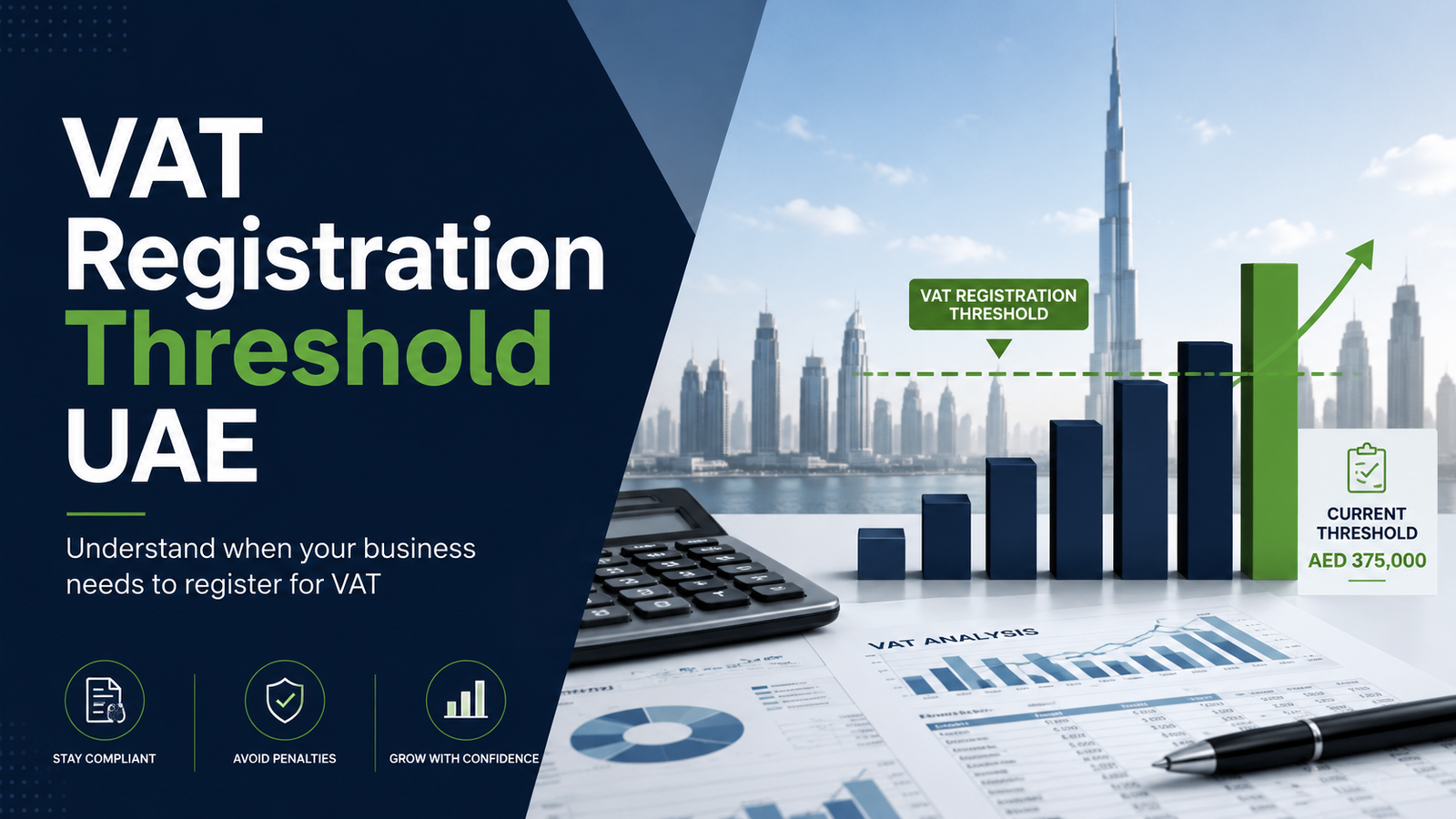
The UAE standard VAT rate remains 5%. Businesses generally must register for VAT when taxable supplies and imports exceed AED 375,000, and voluntary registration may apply above AED 187,500.
The UAE corporate tax framework applies 0% on taxable income up to AED 375,000 and 9% above that threshold.
This is where strong accounting services in UAE matter. If you preserve cash by deferring DIFC costs, you need your books to clearly reflect:
- what was deferred,
- what remains payable,
- what was accrued,
- what still needs filing.
4) Regulated firms should refresh their DFSA calendar
If your business is DFSA-regulated, revisit:
- reporting deadlines,
- internal governance approvals,
- staffing and control arrangements,
- evidence of management oversight.
The DFSA has given temporary flexibility, but it has not lowered its standards.
5) Use this as a trigger to improve monthly reporting
A relief package is useful, but it should also push you to build better discipline.
At a minimum, your business should now have:
- a monthly P&L,
- a 13-week cash flow,
- a payables schedule,
- a deferred payments tracker,
- a short management note explaining key risks.
This turns a temporary support measure into a stronger finance system.
Where accounting support adds real value
This is not just about tax filing. It is about decision quality.
The firms that benefit most from this kind of support usually improve three things quickly:
- cash planning,
- clear management accounts,
- compliance-ready records.
That is where accounting support becomes practical:
- clean treatment of deferred fees,
- VAT-ready bookkeeping,
- corporate tax-ready records,
- better management reporting,
- support during regulator, auditor, or bank review.